

How I Started a Party Rental Business With 35 Chairs and an SUV
How my wife and I started Gather and Go Rentals in Durham Region, Ontario as a side business: a Marketplace ad before we owned a chair, 35 chairs in our SUV, a cargo van, 600 chairs in the garage, and what I would tell anyone starting today.
Gather and Go Rentals did not start with a business plan. It started with a party at our house.
We rented chairs and tables from another company for an event we were hosting at home. When they picked everything up, my wife and I looked at each other and had the same thought: we could do this.
We both work from home as data analysts. We had flexible days, a bit of savings, and a feeling that we should build something of our own. So in 2025, we started a party rental business in Durham Region, Ontario.
This is the honest version of how it went, followed by the lessons I would pass on to anyone thinking about starting a party rental business.
I Posted the Ad Before I Owned a Single Chair
I wanted to know if anyone would actually pay before I spent money. So I posted a chair rental ad on Facebook Marketplace while I still had no inventory at all. It was just a test.
On a Wednesday, a man messaged me. He needed chairs for that weekend, and he was fine with my price.
I had three days and no chairs. So I searched for people selling chairs near me, found someone, and bought 35 chairs from them. That weekend, we did our first delivery.
That was the whole business at the start: 35 chairs and 3 tables. It wasn't a big bet, and that was the point. If nobody else booked, we would have extra chairs for our own parties. But people did book.
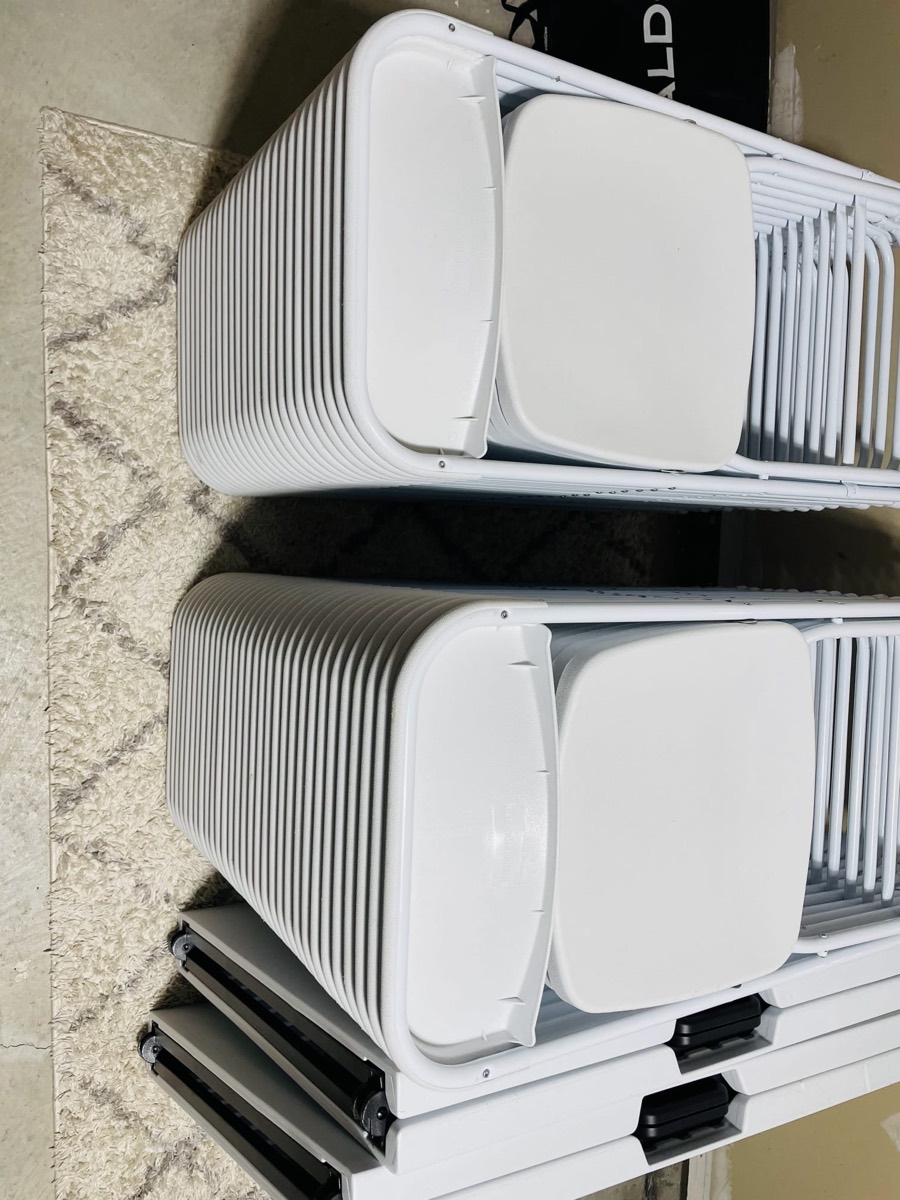
The SUV Era
We didn't have a truck or a van. We had our family SUV, and that became the delivery vehicle.
With small orders, it worked. Fold the seats down, load the chairs, drive, unload, come back. But we kept every dollar we made and put it straight back into the business, and within a month or two we had about 100 chairs.
That's when the SUV started to hurt. Orders were still mostly small, but some days we had to do several trips for a single delivery. Load, drive, unload, drive back, load again. If you have ever tried to fit stacks of chairs and tables into an SUV in the middle of summer, you know exactly what I mean.
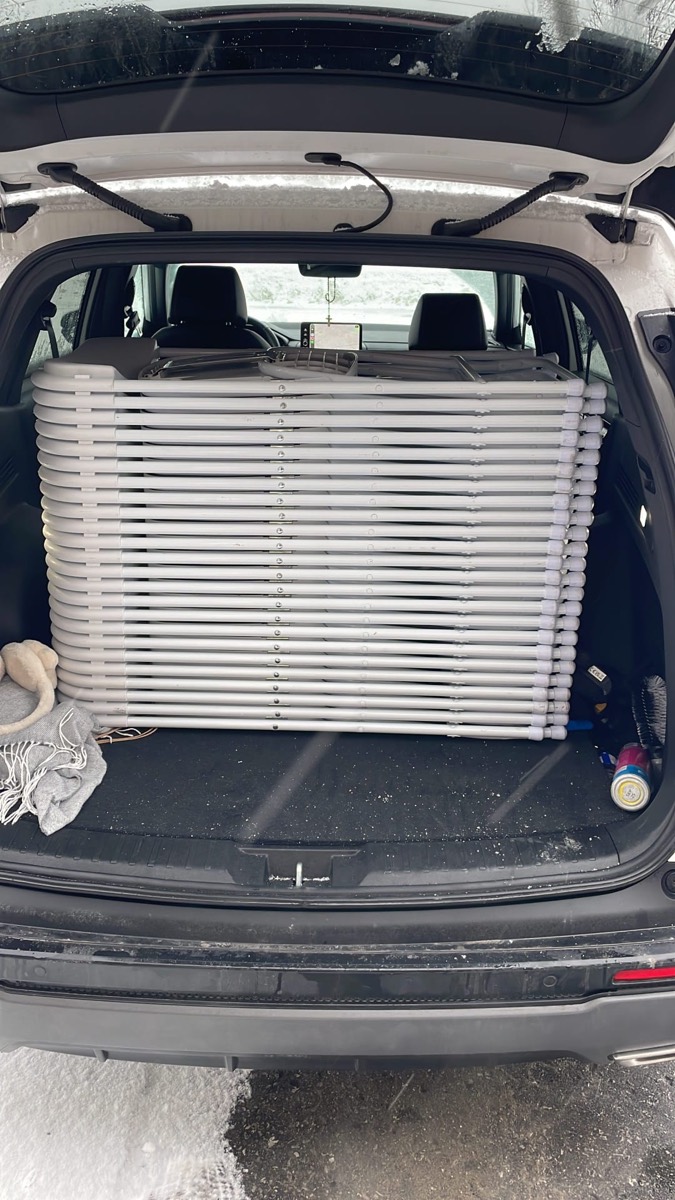
The SUV was not a mistake, though. It let us start without buying a vehicle we couldn't yet justify. The multiple trips were the cost of starting small, and I would make that trade again.
Putting Everything Back In
It was summer, the busy season, and the bookings kept coming. So we made a decision: whatever money the business made, it went back into the business.
More chairs. More tables. Then we started experimenting with pop-up canopies to see if customers wanted them (they did).
We kept doing this until we had around 300 chairs. At that size, the SUV was no longer a tight squeeze. It was the thing stopping us from growing.
Renting Trucks Was Eating Our Margin
For the bigger orders, we rented. A few times from Home Depot, and from U-Haul when the order was really big. It worked, and it meant we could say yes to orders the SUV couldn't handle.
But every rental truck came out of our profit. Pay for the truck, the kilometres and the fuel, and a good order turns into an okay one. As bigger orders became normal, we were renting more often, and it added up fast.
The Cargo Van Changed Everything
So we bought a Chevy Express cargo van. It was the biggest step up we took.
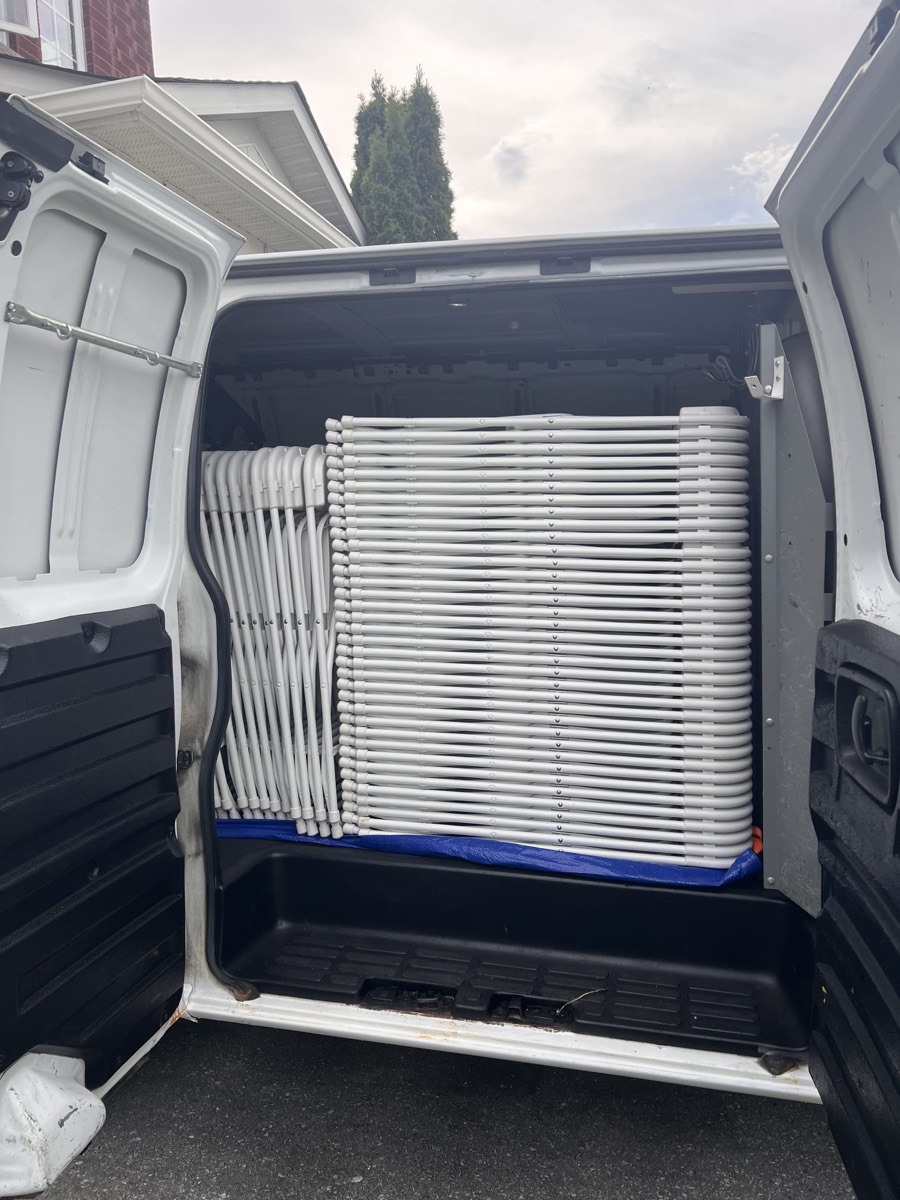
Suddenly we could take bigger orders in one trip. That opened the door to corporate events, which need more chairs and tables than a backyard birthday party and are often booked on weekdays. With the SUV, we would have had to turn those orders down or spend the whole day driving back and forth.
The lesson I took from this: buy the vehicle when the vehicle is the bottleneck, not before. We waited until truck rentals were cutting into most of our big orders. By then, the van paid for itself quickly.
Then I Double-Booked a Customer
For the first two months, I kept track of every booking in Google Sheets. As the business got busier, it worked until it didn't.
One weekend in early summer, a customer came to pick up their order. As I counted out the tables, I realized I was four short. I had booked the same tables to two customers, and the spreadsheet never told me.
The customer was standing right there. So I drove to another rental company near me, rented four tables at their price (higher than mine), came back and handed them over.
I lost some money on that order. But the worse part was the customer experience. They had to stand around and wait for me to fix a mistake they should never have known about. That's not how I wanted anyone to remember Gather and Go.
That's when I realized that if I wanted to scale, I needed a real system, one that would never let me book the same table twice.
I looked at the rental software that was out there, but most of it felt built for big rental yards, not for a small operator like us. So I teamed up with a friend of mine, a developer who is now my co-founder, and we built our own. That became Inventro.
Gather and Go was the first business to use it. Once it worked for us, I started pitching it to other rental owners around Toronto.
Honestly, a lot of them weren't interested. Many rental businesses start the way ours did, as a side hustle, and a spreadsheet and a calendar feel like enough at the start.
But the owners who were planning to grow got it right away. They knew what happens when a side hustle suddenly gets busy: you miss one booking, forget to add one order to the calendar, and a customer pays the price. If you start with a system that keeps you organized and automates the busywork, you can grow without that worry. Those owners became our first customers, and they still shape Inventro today. We take feedback from our users all the time and keep building and tweaking the platform around how they actually run their businesses.
What I Would Tell Anyone Starting Today
Here's the practical part. These are the lessons from our first year, in the order I learned them.
1. Test the market before you buy anything
I posted my first ad before I owned a chair, and I got a booking within days. You can do the same: post an ad on Facebook Marketplace or Kijiji with your prices and see who messages you. If nobody does, you've lost nothing. If someone does, you know there's demand, and you know your price works. It also helps to rent from a competitor or two and see what they do well and badly. My full guide to starting a party rental business goes through this market research step by step.
2. Start smaller than you think you should
Thirty-five chairs and three tables was enough to find out if people would book. You don't need $20,000 of inventory to start. You need enough to take your first few orders and learn how delivery, setup and pickup actually work. Used chairs from a local seller are a perfectly good start.
3. Use the vehicle you already have, and watch the rental costs
An SUV, a minivan, a pickup truck: start with what is in your driveway. Make the extra trips. For the occasional big order, rent a truck from Home Depot or U-Haul. But add up what those rentals cost you each month. When they eat a big part of your margin, that's your signal to buy a van.
4. Put the money back in, and let customers tell you what to buy
Every dollar we made in the first summer went back into inventory. But we didn't buy at random. We bought more of what kept selling out (chairs and tables) and tested new things in small amounts (pop-up canopies) before going all in. If you want to check that a new item is worth it, run the numbers in the rental profit calculator first.
5. Price for your time, not just the item
When you deliver in an SUV and do three trips, the delivery is the expensive part, not the chairs. Charge a real delivery fee from day one. I wrote more about this in how to price chair rentals.
6. Track your bookings properly before you get busy
Our double booking didn't happen when we were slow. It happened when we were busiest, and I only found out when the customer was in front of me. A spreadsheet is fine for your first handful of bookings, but set up a system that shows what is available on each date before summer hits. Here's how to know when you've outgrown spreadsheets.
7. Get to know the other rental companies near you
When I was four tables short, another rental company nearby saved that customer's event. It cost me more than my own rates, but a customer leaving with everything they paid for is worth more than one order's profit. Know who else rents what you rent, and be on good terms with them. One day you'll need them, and one day they'll need you.
8. Plan your storage before it plans for you
We still keep everything in our garage. Storage space limits how much you can grow, so think about where your next 100 chairs will go before you buy them.
9. A side business is a great way to start
We kept our jobs the whole time. Most party rentals happen on weekends, and working from home gave us room to handle quotes and messages during the week. You don't have to quit anything to find out if this works for you.
Where We Are Now
Gather and Go started in 2025 as a side project between two data analysts and an SUV. In our first year, we did about 800 bookings. Today the business runs on a cargo van and serves corporate and private events across Durham Region.
Everything still lives in our garage, and the garage is full: 600 chairs, 50 tables, 50 padded chairs, 15 to 20 canopies, and kids' chairs and tables, all stacked to the ceiling. There's no room for one more chair. If we want to grow again, the next step is a storage unit. We'll see what next summer brings.
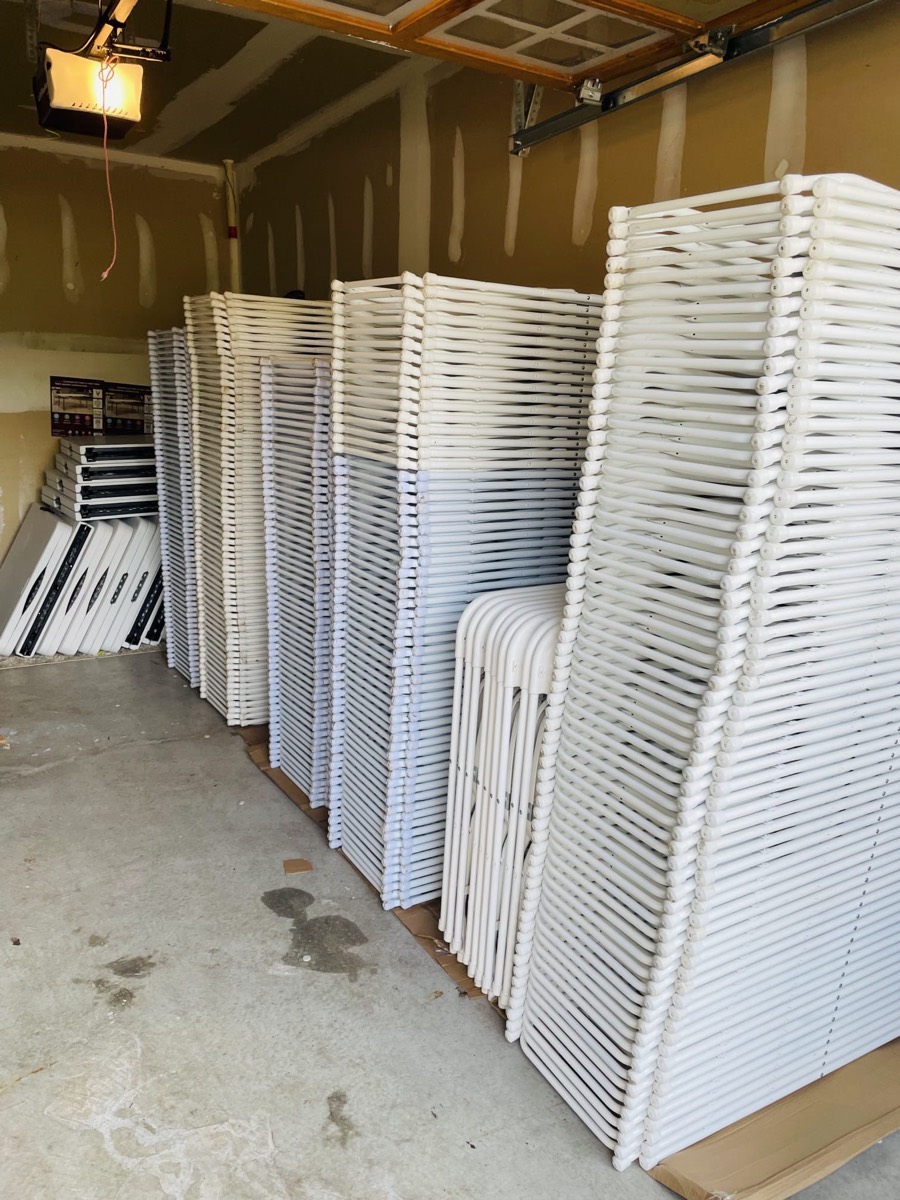
And four missing tables are how Inventro came to exist.
If you're thinking about starting a party rental business, the best advice I have is the simplest: buy a small amount of inventory, take your first booking, and learn from there. Use the party rental business checklist to make sure you don't miss anything important.
And when you are ready to stop worrying about double bookings, Inventro is free to start. It's the tool I wish I had in that first busy summer.